
23 Mar 2026
Beginner-Friendly Guide to Handheld Laser Welding Operation
How to Use a Handheld Laser Welding Machine (2026 Beginner Guide)
Handheld laser welding machines are revolutionizing metal fabrication by offering faster speeds, cleaner welds, and lower skill requirements compared to TIG and MIG welding.
💡 In this guide, you will learn: laser welding settings, stainless steel welding tips, common problems, and expert techniques to achieve professional results—even as a beginner.
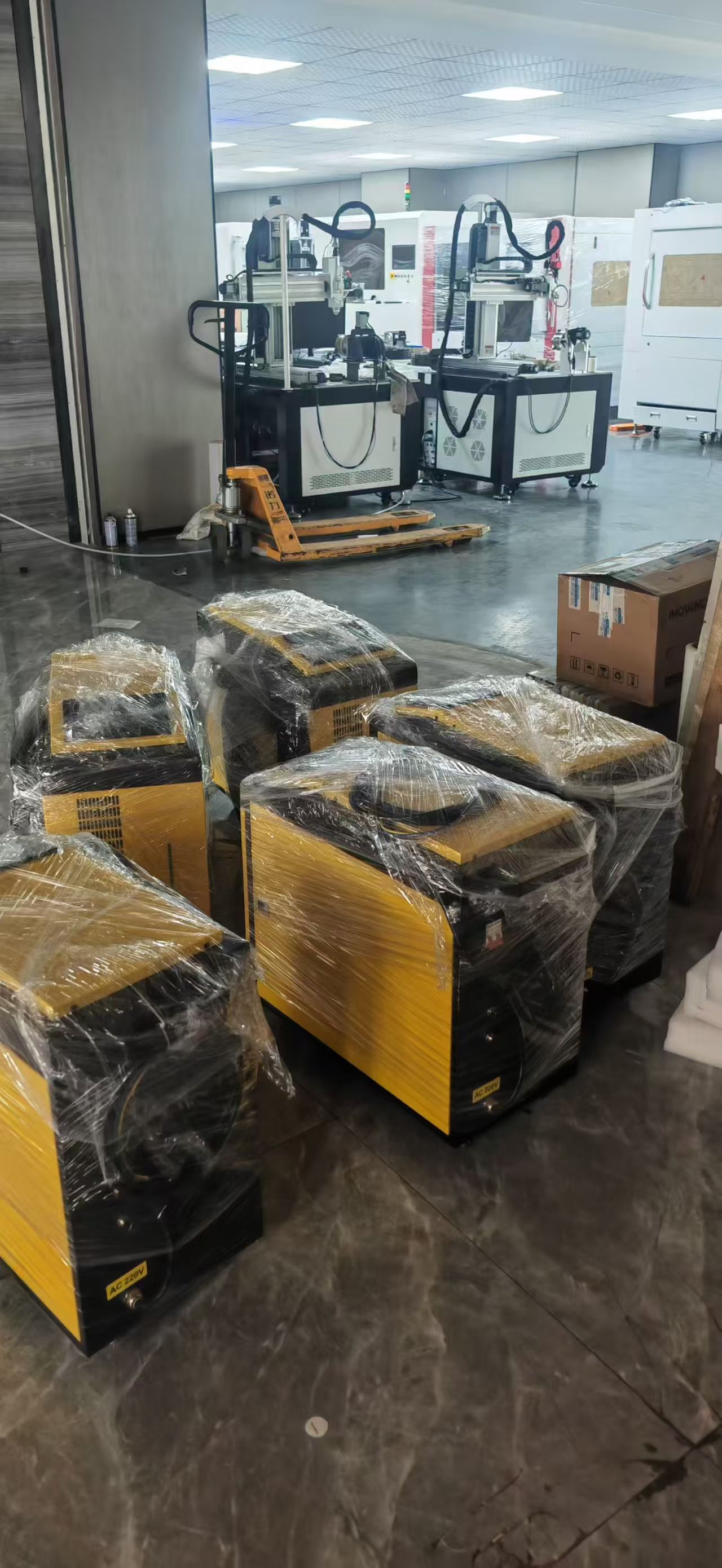
What Is a Handheld Laser Welding Machine?
A handheld laser welder is a portable fiber laser system designed for precision metal joining. It is widely used in:
Sheet metal fabrication
Automotive manufacturing
Kitchen equipment production
Metal repair and maintenance
---
Step 1: Safety Checklist Before Using a Laser Welder
Laser Welding Safety Checklist
✔ Check power cable condition
✔ Inspect laser lens for damage
✔ Ensure proper grounding
✔ Verify coolant level
Required PPE
Laser safety goggles (wavelength-specific)
Fire-resistant clothing
Insulated gloves
Important: Always operate in a well-ventilated workspace to avoid exposure to metal fumes.
---
Step 2: Handheld Laser Welding Settings (Beginner Friendly)
Golden Rule
Power → Speed → Focus
Recommended Settings for Stainless Steel (0.8mm)
| Parameter | Value |
|---|---|
| Power | 800W |
| Speed | 15 mm/s |
| Focus | Surface |
How to Adjust Parameters
Too much burn-through? Reduce power
Weak weld? Slow down the speed
Unstable seam? Adjust focus
---
Step 3: Laser Welding Techniques for Beginners
Angle: 70°–75°
Distance: 1–2 mm
Movement: Smooth and steady
🎯 Pro Tip: A stable hand is more important than high power for clean welds.
---
How to Weld Thin Metal Without Warping
Thin materials require a spot welding mode.
Use short pulse welding
Weld "dot by dot."
Reduce heat accumulation
---
Common Laser Welding Problems and Fixes
Pores in Weld
Cause: Excessive power → Solution: Lower power
Weak Penetration
Cause: Fast speed → Solution: Slow down
Spatter
Cause: Incorrect angle → Solution: Maintain 75°
Overheating
Stop the machine every 30 minutes to cool down.
---
Laser Welding vs TIG Welding
| Feature | Laser Welding | TIG Welding |
|---|---|---|
| Speed | 2–10x faster | Slow |
| Heat Input | Low | High |
| Skill Level | Beginner-friendly | Requires experience |
---
Best Materials for Laser Welding
Stainless steel
Carbon steel
Aluminum
Galvanized sheet
---
Pro Tips to Improve Welding Quality Fast
Practice on scrap metal
Record parameter combinations
Keep the lens clean
Maintain the cooling system
---
FAQ
What is the best laser welding speed?
Typically 10–20 mm/s, depending on material thickness.
Is laser welding easy to learn?
Yes, handheld systems are designed for beginners.
What thickness can a laser welder handle?
Usually 0.5mm to 5mm, depending on power.
---
Get the Best Handheld Laser Welding Machine
Boost your production efficiency with high-speed, precision welding technology.