14 Apr 2026
How to Choose the Right Cutting Machine
Choosing the right cutting machine can directly impact your production efficiency, product quality, and long-term operating costs. Whether you're working with metal, wood, acrylic, or fabric, selecting the correct equipment is essential for achieving precision, speed, and profitability.
In this complete guide, we’ll walk you through how to choose a cutting machine, compare different laser technologies, and help you make the best investment for your business.
1. Understand Your Cutting Needs First
Before selecting any machine, you must clearly define your application requirements. This step prevents overspending and ensures optimal performance.
Key Questions to Ask:
What materials will you cut?
(Metal, stainless steel, carbon steel, aluminum, wood, acrylic, fabric, etc.)What thickness range do you need?
Thin sheets (0.5–3 mm), medium (3–6 mm), or thick plates?What is your production volume?
Small batch, custom jobs, or mass production?What level of precision do you require?
Fine engraving and detailed cutting vs. rough industrial cutting?What is your total budget?
Include:Machine cost
Maintenance
Consumables
Electricity
Software
2. Match the Machine Type to Your Application
Different cutting technologies are designed for different purposes. Choosing the wrong type can lead to poor results and wasted investment.
Common Cutting Machine Types:
Mechanical Cutting Machines
Best for simple, straight cuts
Low cost but limited flexibility
Plasma Cutting Machines
Ideal for thick metal cutting
Lower precision compared to laser
Laser Cutting Machines (Most Popular)
High precision and speed
Suitable for both industrial and creative applications
3. Which Type of Laser Machine Is Best?
There is no one-size-fits-all solution. The best laser cutting machine depends entirely on your materials and application.
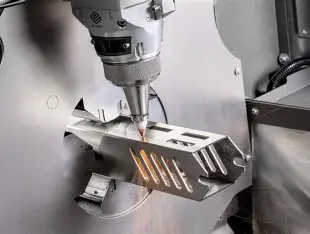
Fiber Laser Cutting Machines (Best for Metal)
Ideal for:
Stainless steel
Carbon steel
Aluminum
Copper
Advantages:
High cutting speed
Excellent beam quality
Low maintenance
Energy efficient
👉 Best choice for: Sheet metal fabrication, automotive, industrial manufacturing
CO₂ Laser Cutting Machines (Best for Non-Metals)
Ideal for:
Wood
Acrylic
Fabric
Leather
Paper
Advantages:
Smooth edges on organic materials
Versatile for creative industries
👉 Best choice for: Signage, crafts, furniture, textiles
4. The Three Main Types of Laser Cutters Explained
To simplify:
| Laser Type | Best For | Key Advantage |
|---|---|---|
| CO₂ Laser | Non-metals | Smooth, clean edges |
| Fiber Laser | Metals | Speed & efficiency |
| Nd:YAG / Nd:YVO | Precision metals | Ultra-high accuracy |
👉 Quick Summary:
Choose fiber laser for metals
Choose CO₂ laser for non-metals
Choose Nd:YAG for precision applications
5. How to Choose a Laser Cutting Machine (Step-by-Step)
Step 1: Define Material & Thickness
This determines everything — machine type, power, and cost.
Step 2: Select the Right Laser Type
Metal → Fiber laser
Non-metal → CO₂ laser
Precision → Nd:YAG
Step 3: Choose Laser Power
Higher power = faster cutting + thicker materials, but higher cost.
General guideline:
1kW–3kW → thin to medium metals
3kW–6kW → industrial production
6kW+ → heavy-duty cutting
Step 4: Determine Bed Size (Work Area)
Choose a machine that fits your largest sheet size to avoid repositioning.
Common sizes:
1300×900 mm → small workshops
1500×3000 mm → standard industrial
Larger formats → heavy industry
Step 5: Evaluate Key Features
Look for:
Cutting speed & efficiency
Positioning accuracy
Auto-focus cutting head
Software compatibility (CAD, DXF)
CNC or automation systems
Exchange tables (for continuous production)
Step 6: Consider Total Cost of Ownership
Do not just compare prices — evaluate long-term value:
Initial Costs:
Machine
Laser source
Chiller
Air compressor
Software
Ongoing Costs:
Electricity
Consumables (nozzles, lenses)
Maintenance
Spare parts
Step 7: Check Supplier Reliability
A good supplier is just as important as the machine.
Make sure they offer:
Technical support
Training
Spare parts availability
Warranty (usually 1–3 years)
Fast response service
6. Common Mistakes to Avoid
❌ Choosing power that is too high (wasted cost)
Ignoring after-sales service
Buying based only on price
Not considering future production growth
Selecting the wrong laser type
7. Conclusion: How to Make the Right Choice
Choosing the right cutting machine comes down to a simple strategy:
Define your material, thickness, and production needs
Select the appropriate laser type (fiber, CO₂, or Nd:YAG)
Match the power, size, and automation level
Evaluate total cost and supplier support
👉 Final Insight:
For most industrial metal applications, a fiber laser cutting machine is the best overall investment due to its speed, efficiency, and low maintenance.
Ready to Choose the Right Machine?
If you're looking for a reliable laser cutting solution tailored to your business:
Get expert recommendations
Compare machine configurations
Receive a customized quotation
👉 Contact us today to find the perfect cutting machine for your application.