08 Apr 2026
Laser Cutting Machines: Uses, Limitations, Materials & CNC Explained
Laser cutting machines have become one of the most essential tools in modern manufacturing. Known for their precision, speed, and versatility, they are widely used across industries ranging from automotive to jewelry design.
In this guide, we’ll break down what laser cutting machines are used for, their limitations, which materials they can (and cannot) cut, and whether they qualify as CNC machines.
1. What Are Laser Cutting Machines Used For?
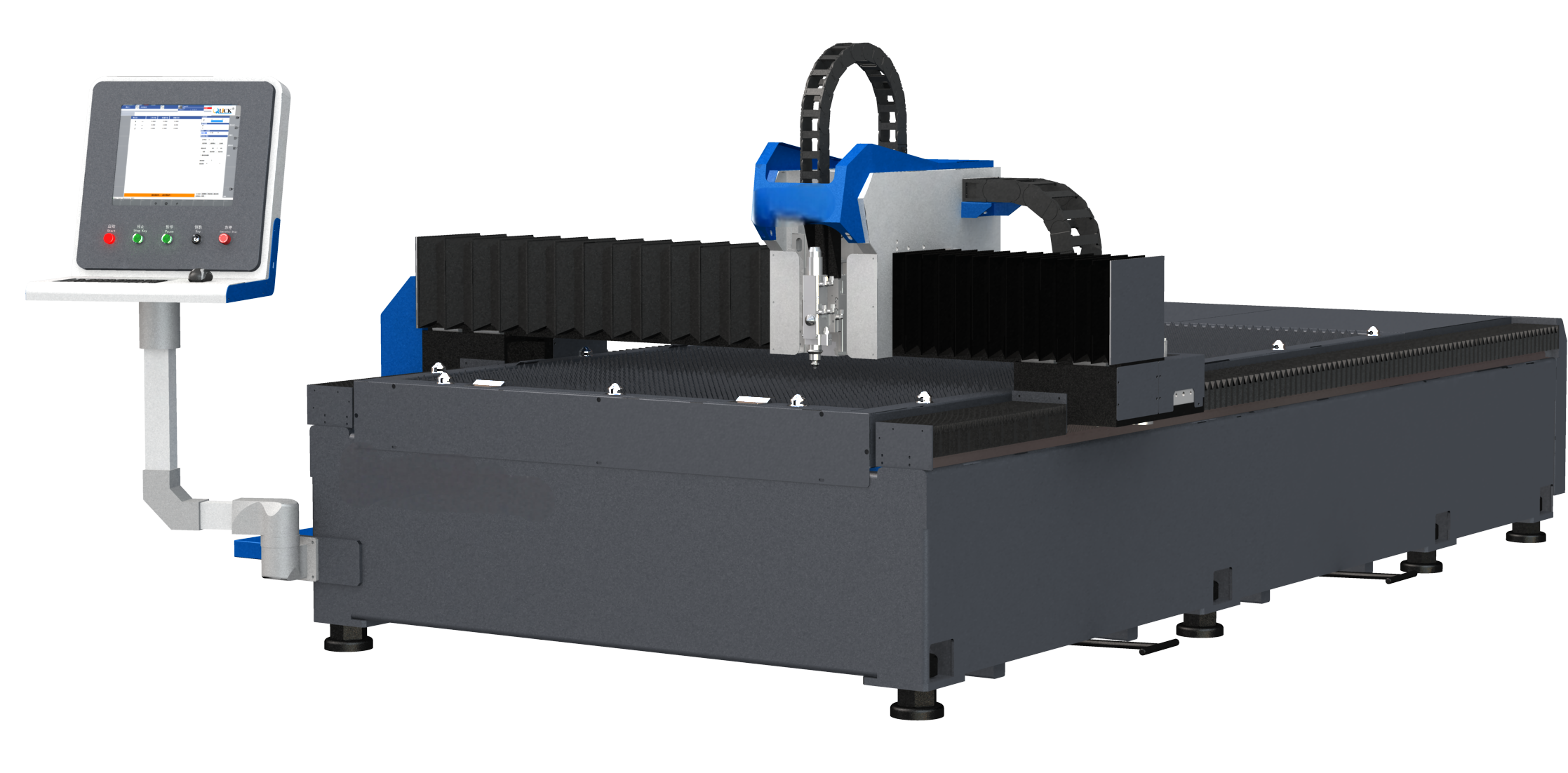
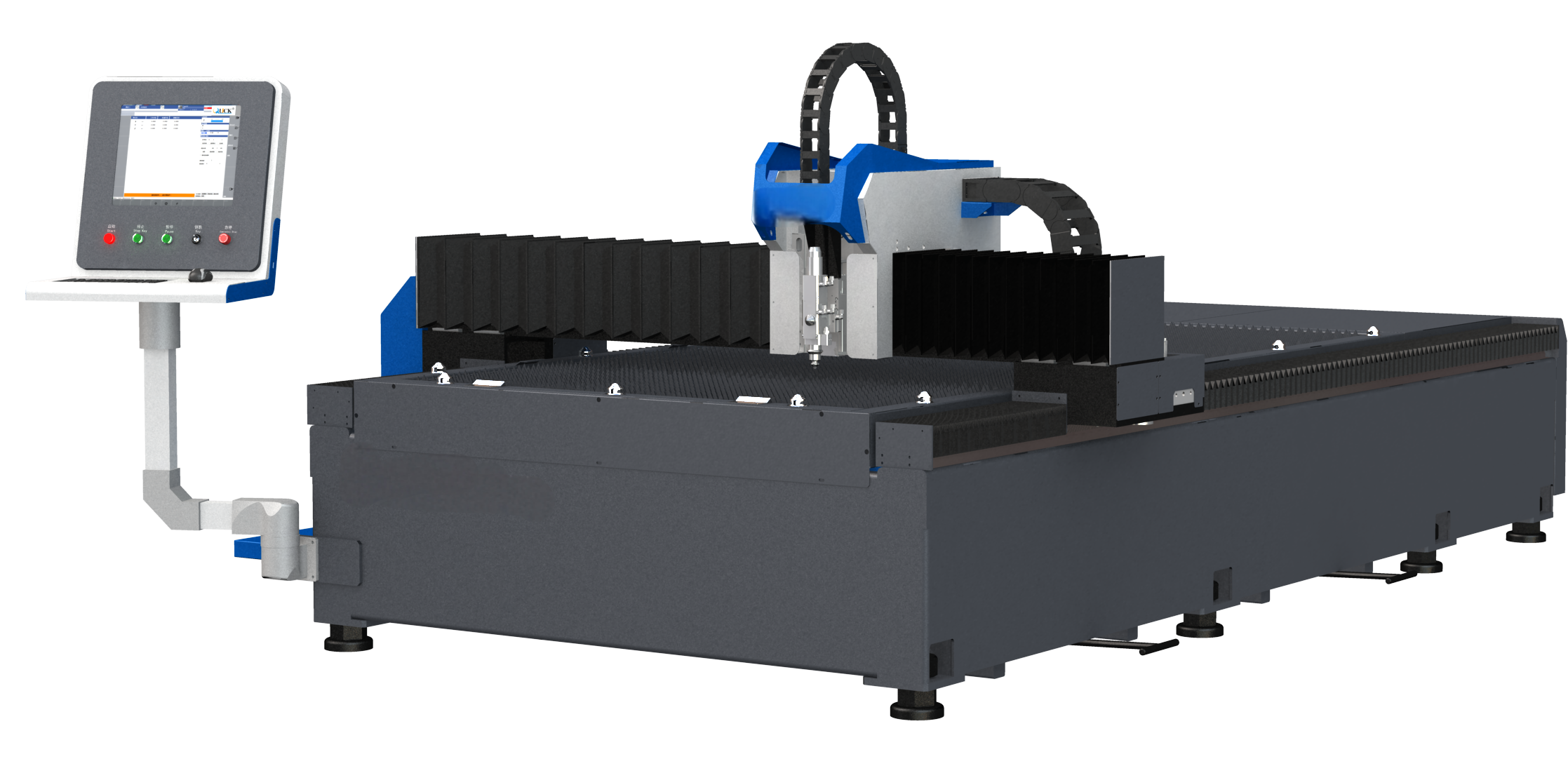
Laser cutting machines use a highly focused laser beam to cut, engrave, or mark materials with exceptional accuracy. This makes them ideal for applications that require fine detail and clean edges.
Common Materials Laser Cutters Can Process
Laser cutters are capable of handling a wide range of materials, including:
Metals: stainless steel, carbon steel, aluminum
Plastics: acrylic, ABS, certain polymers
Non-metals: wood, leather, fabric, paper
Advanced materials: ceramics, composites
They can process materials in different forms such as:
Sheet metal
Tubes and pipes
Plates and panels
Industries That Use Laser Cutting Machines
Laser cutting technology is widely used in:
Automotive manufacturing – body panels, brackets, components
Aerospace – precision-engineered parts
Electronics – circuit boards and enclosures
Medical devices – surgical tools and implants
Signage & advertising – acrylic signs, decorative panels
Jewelry & crafts – intricate designs and engravings
Prototyping & fabrication shops – rapid product development
Why it’s popular:
Laser cutting delivers clean edges, tight tolerances, and minimal material waste—making it ideal for both mass production and custom fabrication.
2. What Are the Disadvantages of Laser Cutting?
While laser cutting offers many advantages, it’s not without limitations. Understanding these drawbacks helps you choose the right cutting method for your application.
Key Disadvantages
1. High Initial Investment
Laser cutting machines, especially fiber laser systems, require a high upfront cost. Maintenance and replacement parts (like lenses and nozzles) can also add to operational expenses.
2. Thickness Limitations
Most standard laser systems struggle with very thick materials
Typical effective range:
Fiber laser: up to ~20–25 mm (depending on power)
CO₂ laser: generally less efficient for thick metals
For extremely thick materials, plasma or waterjet cutting may be more suitable.
3. Heat-Affected Zone (HAZ)
The intense heat of the laser can cause:
Warping in thin materials
Microstructural changes
Edge discoloration
4. Fumes and Ventilation Requirements
Cutting certain materials (especially plastics or coated metals) produces:
Toxic fumes
Fine particulates
Proper exhaust systems and filtration are essential.
5. Safety Risks
Laser cutting involves:
High-energy beams (eye/skin hazards)
Fire risks
Electrical hazards
Strict safety protocols and protective equipment are required.
3. What Materials Cannot Be Cut with a Laser Cutter?
Not all materials are suitable—or safe—for laser cutting. Some can damage the machine or pose serious health risks.
Materials to Avoid
Toxic or Hazardous Materials
PVC (Polyvinyl Chloride) → releases hydrochloric acid and toxic gases
Certain polycarbonates and treated plastics
Fiberglass and resin-coated composites
Highly Reflective Metals (for CO₂ lasers)
Copper
Brass
Mirror-finish aluminum
These materials reflect the laser beam, which can:
Reduce cutting efficiency
Damage internal optics
(Note: Fiber lasers handle reflective metals much better.)
Flammable or Unstable Materials
Foam materials
Oily or resin-rich wood
Certain rubbers and elastomers
These can:
Ignite during cutting
Melt uncontrollably
Damage the machine bed
4. Is a Laser Cutting Machine a CNC Machine?
Yes—most modern laser cutting machines are CNC (Computer Numerical Control) machines.
How It Works
Laser cutters operate using:
CAD (Computer-Aided Design) software to create designs
CAM software to generate toolpaths
G-code or vector instructions to guide movement
The machine then automatically moves along:
X-axis (horizontal)
Y-axis (vertical)
Z-axis (height adjustment, in some systems)
This allows for:
Fully automated cutting
Repeatable precision
Complex geometries with minimal human intervention
5. Conclusion: Is a Laser Cutting Machine Right for You?
Laser cutting machines are powerful, precise, and highly versatile tools that have transformed modern manufacturing. They are ideal for applications requiring:
High precision
Clean edges
Complex shapes
Efficient production
However, they also come with important considerations:
Higher upfront cost
Material and thickness limitations
Safety and ventilation requirements
Key Takeaway
To maximize performance and ROI, always match the machine type to your needs:
Fiber lasers → best for metal cutting
CO₂ lasers → ideal for non-metals and plastics
Hybrid solutions → for mixed applications
FAQ
Q1: What is the best laser cutter for metal?
Fiber laser cutting machines are the best choice for cutting metals due to their high efficiency and ability to handle reflective materials.
Q2: Can a laser cutter cut thick steel?
Yes, but thickness is limited. High-power fiber lasers can cut up to 20–25 mm steel, depending on the system.
Q3: Is laser cutting expensive?
Initial costs are high, but long-term efficiency and reduced waste often make it cost-effective.
Q4: Do laser cutters require ventilation?
Yes. Proper ventilation or filtration systems are essential, especially when cutting plastics or coated materials.
Q5: Is laser cutting safe?
It is safe when proper precautions are followed, including protective eyewear, machine enclosures, and ventilation systems.
Looking for the right laser cutting machine for your business?
Contact us today to get:
Expert recommendations
Machine comparisons (1000W–6000W+)
Best pricing with global shipping