08 Apr 2026
Where to Buy a Laser Welding Machine
Laser welding machines have become essential tools for modern metal fabrication, offering high precision, speed, and low heat distortion. Whether you run a factory or a small fabrication shop, choosing the right machine—and supplier—can significantly impact your productivity and costs.
In this guide, we’ll cover:
Where to buy laser welding machines
How much do they cost in 2026
How to choose the right model
Lifespan and maintenance
Whether small laser welders are worth it
1. Where Can You Buy a Laser Welding Machine?
There are several reliable ways to purchase a laser welding machine, each with its own advantages depending on your budget and business needs.
Direct Manufacturers & OEM Suppliers
Many buyers today prefer purchasing directly from manufacturers such as:
Jinli Laser
Chinese fiber laser OEM factories
Benefits include:
Lower factory-direct pricing
Customization options
Bulk order discounts
However, always confirm:
Warranty terms
After-sales support
Spare parts availability
2. How Much Does a Laser Welding Machine Cost?
Laser welding machine prices vary depending on power, configuration, and automation level.
Handheld Laser Welders
Typical price: $3,000 – $15,000
Most popular: 1.5 kW models (~$5,000 – $7,000)
Best for:
Repair work
Small batch production
Flexible welding tasks
Entry-Level Benchtop / 3-in-1 Systems
Price range: $5,000 – $6,500
Power: Around 1 kW
Features:
Welding + cleaning + cutting (3-in-1 systems)
Compact footprint
Automated / Robotic Laser Welding Systems
Price range: $25,000 – $60,000+
Includes:
CNC or multi-axis control
Robotic arms
Safety enclosures
Ideal for:
Automotive manufacturing
Aerospace components
High-volume production
What Affects the Price?
Key cost drivers include:
Laser power (1 kW vs 3 kW)
Automation level
Cooling system (air vs water)
Brand and build quality
Included accessories and safety systems
3. How to Choose the Right Laser Welding Machine
Choosing the right machine depends on your application, materials, and production needs.
① Material Type & Thickness
1–1.5 kW → Thin to medium metals
2–3 kW → Thick materials or high-speed production
Always select a machine that exceeds your maximum thickness requirement.
② Application Type
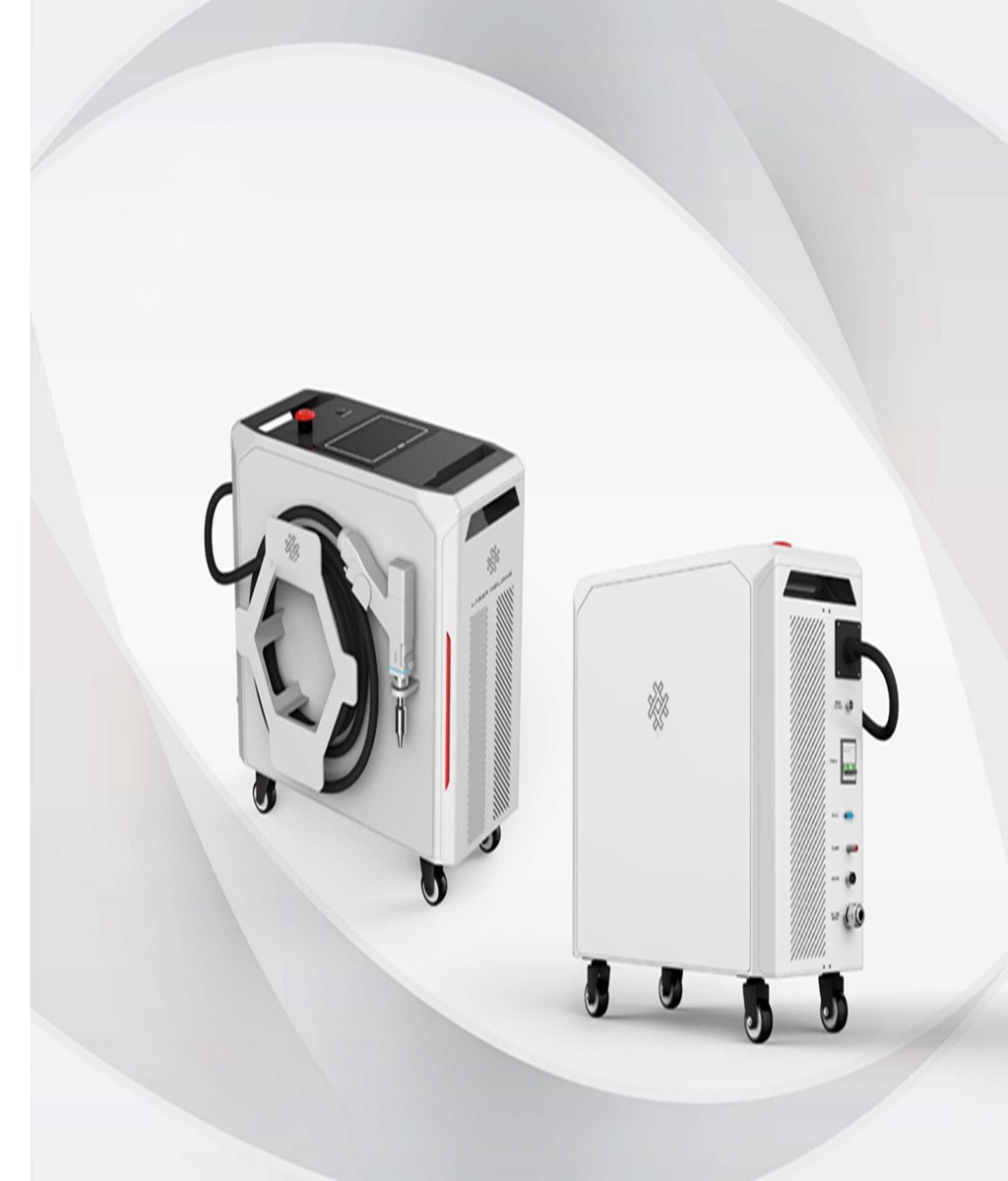
Handheld Laser Welders
Flexible and portable
Ideal for repairs and custom jobs
Works well for irregular shapes
Benchtop / CNC Systems
High precision
Repeatable production
Better for batch manufacturing
③ Control System & Features
Look for:
Adjustable laser parameters
Preset welding modes
User-friendly interface
Stable beam quality
④ Cooling System
Air-cooled → Lightweight, low maintenance
Water-cooled → Better for continuous industrial use
⑤ Support & Service
This is often overlooked but critical.
Choose suppliers that offer:
Local technical support
Training services
Spare parts availability
✔ Simple Selection Rule
Start with:
Your thickest material
Your highest daily workload
Then choose a machine that comfortably exceeds both.
4. How Long Do Laser Welding Machines Last?
Modern fiber laser welders are built for long-term industrial use.
Laser Source Lifespan
Typically 50,000 – 100,000 hours
Overall Machine Lifespan
Around 10–15 years with proper maintenance
Factors That Affect Lifespan
Daily operating hours
Cooling system efficiency
Maintenance routine
Operating within rated power
Maintenance Tips
Keep optics clean
Check alignment regularly
Maintain proper cooling
Update software when required
5. Are Small Laser Welders Any Good?
Yes—small laser welders (especially handheld models) are excellent for many applications.
Advantages Over Traditional Welding
Faster welding speed
Minimal heat distortion
Clean, high-quality welds
Less post-processing required
Best Use Cases
Stainless steel
Aluminum
Thin to medium-thickness metals
Small workshops and factories
Limitations
Not suitable for very thick materials
Higher upfront cost than basic arc welders
Bottom Line
For small factories or repair shops, handheld laser welders are often one of the best ROI upgrades available.
6. Quick Buyer Summary
If you're choosing a laser welding machine in 2026:
✅ For most factories: 1–2 kW fiber laser systems are the sweet spot
✅ For flexible work: choose a handheld laser welder (1–1.5 kW)
✅ For mass production: invest in automated or robotic systems
✅ Always prioritize local support and service availability
📞 Need Help Choosing the Right Machine?
If you tell us:
Material type
Thickness range
Daily production volume
Budget
We can recommend the best laser welding solution tailored to your factory.
👉 Contact us now for a free consultation and quotation
FAQ
What is the best power for a laser welder?
For most applications, 1.5 kW is the best balance between performance and cost.
Can laser welding replace TIG welding?
Yes, in many cases. Laser welding is faster, cleaner, and produces less distortion.
Is a handheld laser welder worth it?
Absolutely. It offers flexibility, speed, and high-quality welds, especially for small to medium operations.
Do laser welders require gas?
Yes. Shielding gases like argon or nitrogen are commonly used to protect the weld.