01 / APPLICATION
Metal Parts & Components
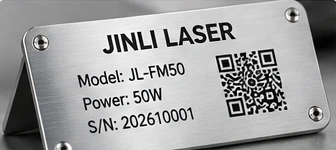
Fiber Laser MarkingSerial numbers, part IDs, logos and traceability codes on stainless steel, carbon steel and selected aluminum parts.
Discuss this application ↗Discover how fiber, UV and CO₂ laser marking technologies can be used for logos, serial numbers, QR codes, Data Matrix codes and product identification across a wide range of materials.
From metal parts to plastic housings, Jinli Laser helps you select a suitable marking process based on your material and desired result.
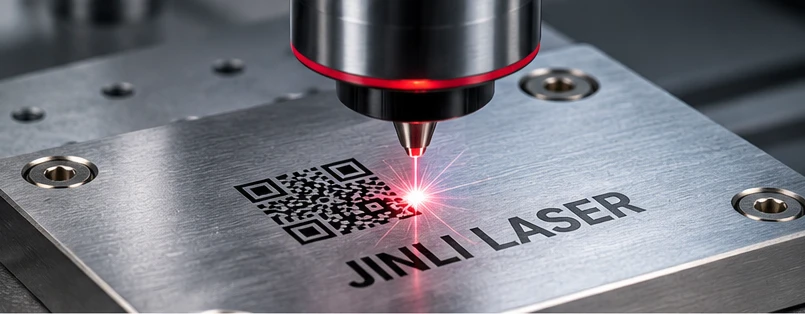
The images below are AI-generated application illustrations, not photographs of verified Jinli Laser samples. Material suitability and marking results require sample testing.
Serial numbers, part IDs, logos and traceability codes on stainless steel, carbon steel and selected aluminum parts.
Discuss this application ↗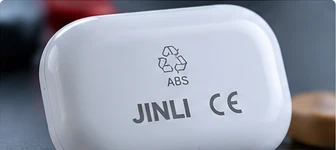
Fine text, product identifiers and logos on compatible plastic housings and electronic components, subject to material testing.
Discuss this application ↗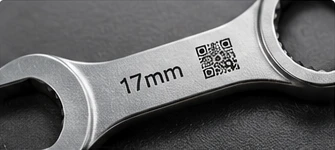
Durable branding, size indicators and product identification on tools, fittings and hardware.
Discuss this application ↗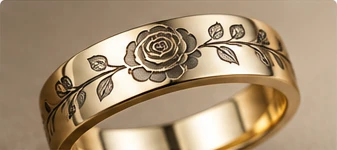
Fine lettering, decorative patterns and personalized markings on suitable metal accessories.
Discuss this application ↗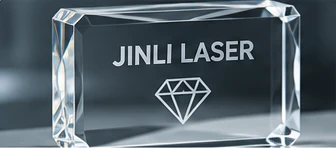
Precision marking on compatible glass and heat-sensitive materials where a lower thermal impact is desirable.
Discuss this application ↗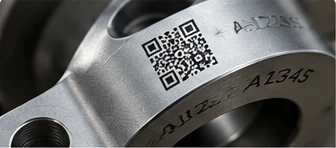
Part numbers, batch information and Data Matrix codes for component identification and production tracking.
Discuss this application ↗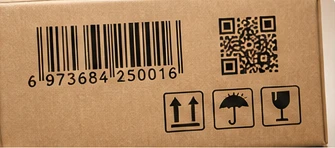
Dates, batch codes and graphics on compatible paper, wood, leather and other organic materials.
Discuss this application ↗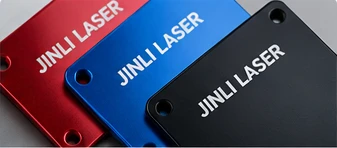
Logos and identification marks on suitable anodized or coated surfaces, with contrast verified through sample tests.
Discuss this application ↗Different laser technologies interact differently with each material. We recommend testing your actual workpiece before confirming the machine.
Commonly selected for metal identification and marking of suitable coated or engineered plastic surfaces.
Stainless steel and carbon steel parts
Serial numbers, logos and traceability codes
Tools, hardware and industrial components
Often suitable for fine marking on selected plastics, glass and heat-sensitive surfaces.
Plastic housings and electronic components
Glass and delicate product surfaces
Fine text and small identification codes
Frequently used for marking compatible non-metal materials and packaging substrates.
Paper, cardboard and selected packaging
Wood and leather products
Dates, batches and decorative graphics
Send your actual marking requirements so we can discuss a realistic solution.
Provide material type, grade, surface finish and workpiece photos.
Specify logo, text, QR code, marking size and required contrast or depth.
Discuss sample testing and inspect marking clarity and material response.
Confirm machine type, power, workflow and accessories for your application.
Fiber laser marking is commonly used for metal part identification. The suitable laser power and settings depend on the material, marking depth, contrast and production requirements.
Yes, certain plastics can be marked with UV or fiber lasers, depending on the polymer formulation, color and desired appearance. Sample testing is recommended.
UV lasers can mark some glass materials, but results depend on the glass composition, surface and process settings. Test the actual sample before purchase.
Both are two-dimensional codes used for identification. Data Matrix is common in industrial part marking where a compact code is needed. Readability depends on marking quality, code size and scanning conditions.
Contact Jinli Laser with your material and marking requirements to discuss sample testing availability and the next steps.
Tell us what you need to mark and what result you expect. We can help evaluate whether fiber, UV or CO₂ laser marking is a suitable starting point.
Email
[email protected]
WhatsApp
+86 135 8482 3993
Website
www.jinlilaser.com